
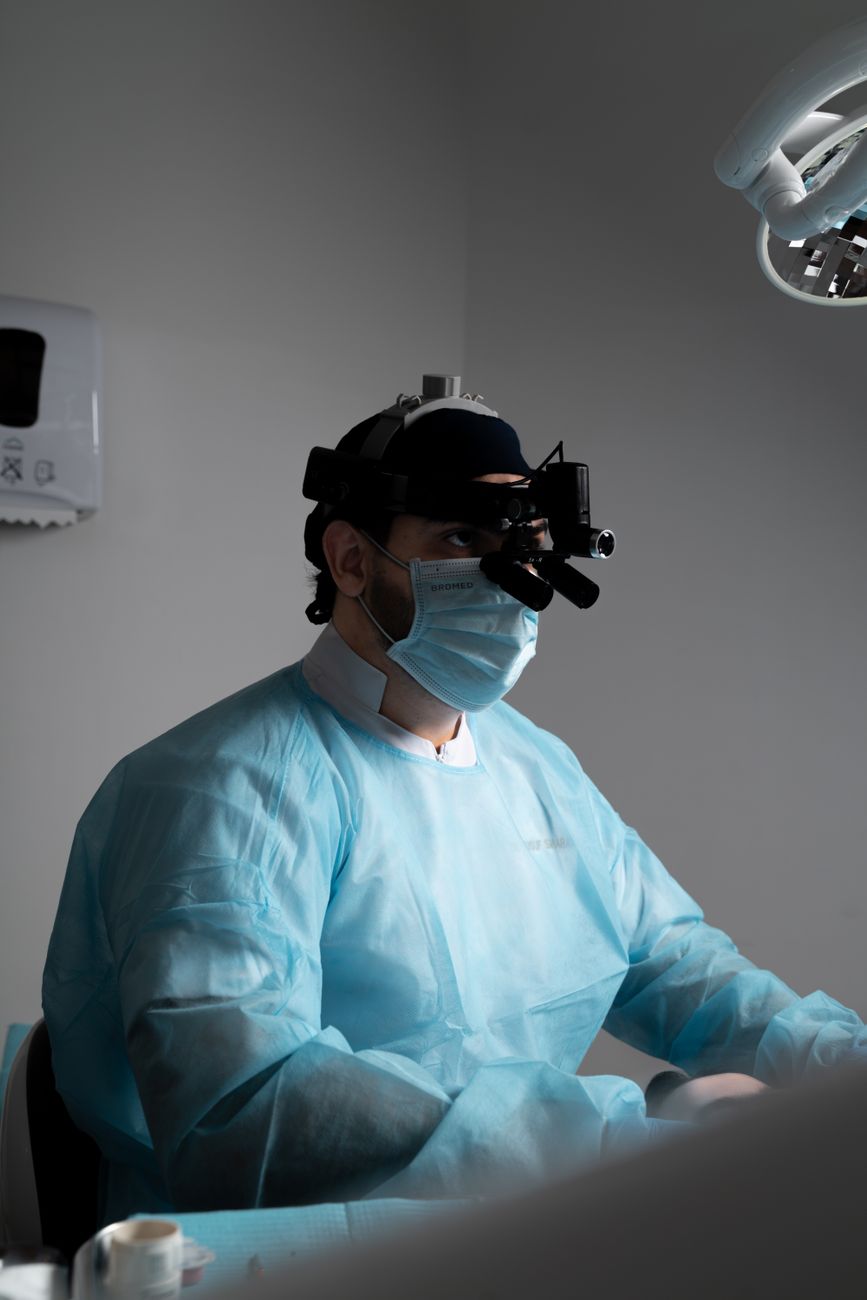
A remote dental hygienist cannot scale a patient's teeth from another country, and no state license allows it. A remote professional with dental training can take over most of the work that pulls your front desk and clinical team away from patients. This guide shows you how to draw that line, hire the right person and bring them into your practice safely.
Start with what the license allows
Dental hygienists and assistants are licensed or registered by each state's dental board. Clinical duties, including cleanings, radiographs, sealants and chairside assisting, require a person who holds the right credential in your state and is physically in your operatory. A remote hire does not perform those duties, whatever training they have.
That leaves a large, legitimate scope. Many Latin American professionals trained as dentists, hygienists or dental assistants in their home countries. Their clinical knowledge makes them strong in non-clinical roles because they already understand procedure codes, treatment plans and patient anxiety.
If the task needs gloves, it stays in the office. If it needs a phone, a screen or a chart, it can go remote.
If teledentistry is part of your model, check your state board's rules before assigning any patient-facing education. Those rules vary by state and change over time.
Define the role around non-clinical work
Write the job description around outcomes, not a title. Common remote dental tasks include:
- Insurance eligibility and benefits verification before appointments
- Claims submission, follow-up on denials and patient ledger cleanup
- Recall and reactivation calls for overdue hygiene patients
- Confirming appointments and filling cancellations
- Treatment plan follow-up and financing questions
- Answering phones and patient messages during peak hours
Avoid titles that suggest clinical authority. Remote dental coordinator or dental insurance and scheduling specialist sets clearer expectations than "remote hygienist," for your team and for patients.
Hire for dental knowledge and English
Follow these steps in order:
- List your software. Name your practice management system and imaging viewer, and say whether you need clearinghouse experience.
- Test the skills. Give each finalist a sample explanation of benefits and ask them to calculate the patient's portion. Ask them to match three procedures to the right CDT codes.
- Run a mock patient call. Play a nervous patient who wants to cancel a crown appointment over cost. Listen for clarity, warmth and whether they stay within non-clinical bounds.
- Check references. Ask a past employer about reliability with confidential information, not just speed.
- Confirm hours. Decide whether you need coverage during your open hours, before them for verification, or both.
Pay for experienced remote dental support in Latin America typically falls in the range of roughly $7 to $12 an hour, depending on experience and English level. Treat that as a market range, not a fixed rate.
Set up HIPAA-ready access before day one
Your practice is responsible for protecting patient information no matter where your team sits. Ask your compliance advisor or attorney whether you need a business associate agreement, a confidentiality agreement or both for a contractor. Then work through this checklist:
- Individual login for every system, never a shared password
- Role-based permissions limited to the modules the job requires
- Multi-factor authentication on email and practice software
- Access through a secure remote desktop or VPN, with no patient data saved locally
- A HIPAA training session, documented with the date
- A written policy on personal devices, public Wi-Fi and screen privacy
- An offboarding plan to revoke all access the same day the engagement ends
For taxes, foreign contractors usually provide a W-8BEN instead of a W-9. Confirm the details with your accountant.
Script the patient interaction
Patients will notice a new voice. Tell them plainly who they are talking to. A simple, honest opening works:
- "Hi, this is Ana from Dr. Lee's office. I help with scheduling and insurance for the practice."
Then set firm rules for clinical questions. The remote coordinator never diagnoses, interprets X-rays or advises on symptoms. Give them a handoff line they can use every time:
- "That's a great question for the doctor. I'll send a note to the clinical team, and someone will call you back today."
Build an escalation path for urgent calls such as swelling, bleeding or trauma, so the patient reaches a licensed provider or emergency guidance immediately.
Integrate the hire in the first 30 days
A strong onboarding plan prevents most problems:
- Week one: shadow your front desk on live video, learn the fee schedule and read past call notes.
- Week two: handle insurance verification with review by an office manager.
- Week three: take confirmation and recall calls independently.
- Week four: review results together, adjust scripts and expand duties if quality is steady.
Add the new hire to your morning huddle by video. Remote team members who hear the day's schedule and patient notes make fewer mistakes and feel part of the practice. Track a few measures, such as verified appointments, recall bookings and claim follow-ups, so feedback stays specific.
When remote help is not the right fit
If your bottleneck is a shortage of chairside assistants or hygiene appointments, a remote hire won't fix it. You need local clinical staff. Remote support helps most when your licensed team spends hours on phones and paperwork instead of patients.
The bottom line
Keep clinical work with licensed staff in the office and move phone, chart and insurance work to a trained remote professional. Define the role clearly, lock down access before day one and give patients an honest introduction. If you want help finding a vetted, English-fluent dental coordinator, RemoteVetted runs a tailored search for your specific role, starting with a free consultation.