

Most dentists who consider a remote receptionist ask the same question first: what would this person actually do all day? The short answer is almost everything your front desk does that doesn't require a hand on a clipboard. That includes calls, scheduling, insurance checks, recalls and the daily handoff. Here is how a typical day runs, hour by hour, and what you need in place for it to work.
What happens before the first patient arrives?
A good remote receptionist logs in 30 to 45 minutes before the practice opens. That window is where the day gets set up.
The first task is reviewing the schedule in your practice management software, whether that's Dentrix, Eaglesoft, Open Dental or another system. They look for gaps, double-bookings, unconfirmed appointments and patients flagged for outstanding balances.
Next comes the overnight inbox: voicemails, web form requests, emails and messages from the patient portal. Each one gets logged and either answered or routed. A patient asking to move a cleaning gets a callback. A patient describing swelling and pain gets flagged for the clinical team right away.
Finally, they prepare a short morning note for the in-office team. It lists today's open slots, patients with insurance still pending, and anyone who needs a payment conversation at check-in. If your practice holds a morning huddle, the receptionist can join by video and present it in two minutes.
How does a remote receptionist handle the phones?
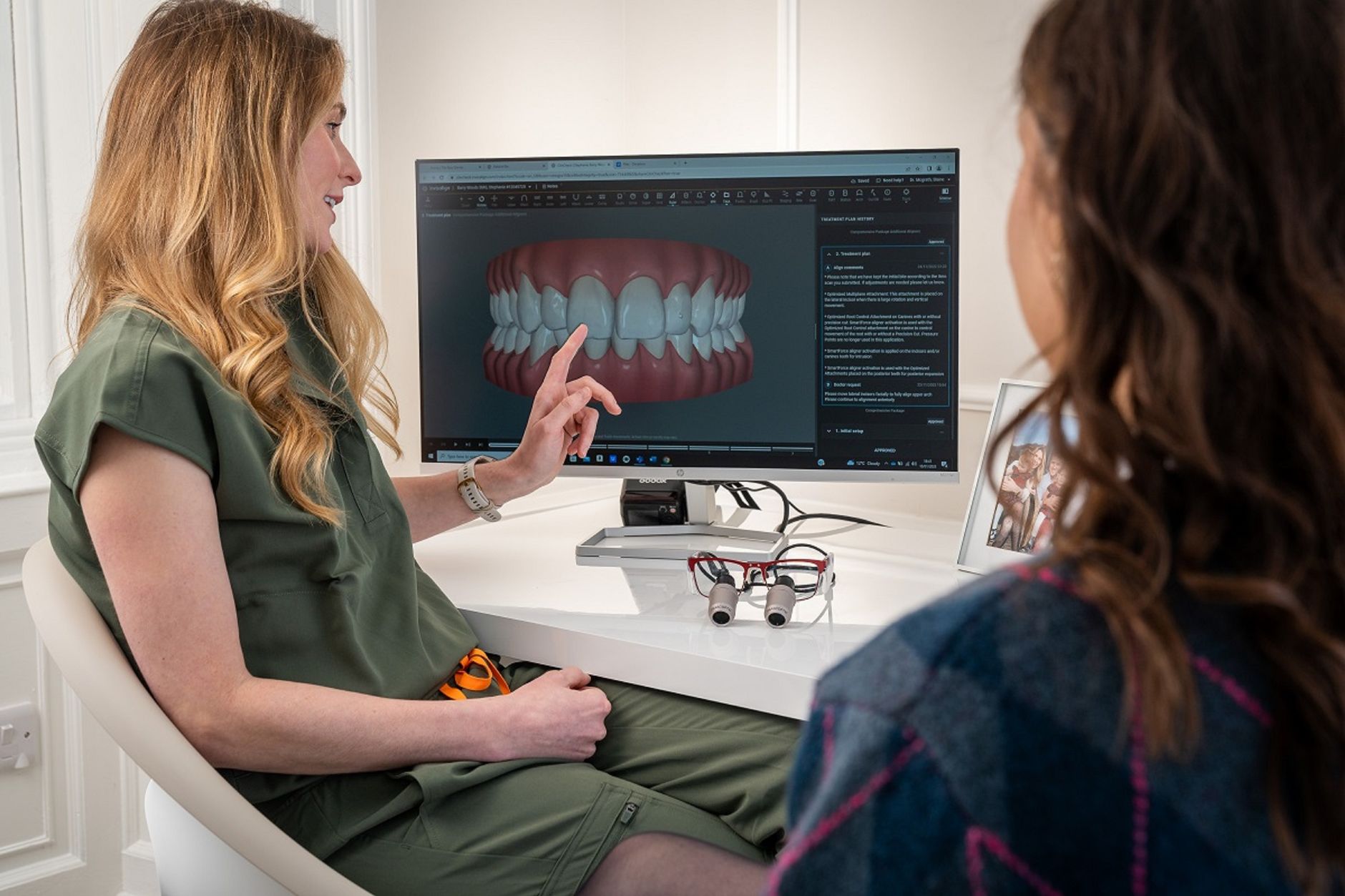
Phones are the core of the job. Calls usually fall into a few buckets: new patient inquiries, appointment changes, billing questions, insurance questions and emergencies.
With a cloud phone system, the remote receptionist can answer your main line as if they were sitting at your front desk. Patients rarely know the difference, and they shouldn't need to. What they notice is that someone picks up, knows their name from the chart, and solves the problem in one call.
This is also where your in-office staff feels the change most. When the phones are covered remotely, the person at the physical desk can focus on the patient standing in front of them. That means check-ins, payments and the small conversations that make people feel cared for.
The best remote receptionist doesn't replace your front desk; it gives your front desk room to breathe.
Where does scheduling get won or lost?
Scheduling is less about booking appointments and more about protecting production. A skilled dental receptionist knows that a 90-minute crown prep and a 30-minute recall exam are not interchangeable. They learn your providers' preferences, which hygienist handles periodontal patients, and which time blocks the doctor reserves for larger cases.
During the day, they work the short-call list. When a patient cancels at 10 a.m., they already know who wanted an earlier slot and start calling. They confirm the next day's appointments by text, email or phone, depending on what your patients respond to.
Ask any candidate how they'd fill a same-day cancellation. The answer tells you whether they think like a scheduler or a message-taker.
How does insurance verification fit into the day?
Insurance verification is often the task practices most want off their in-office team's plate. It's detailed, time-consuming and hard to do between interruptions.
A remote receptionist typically verifies coverage two to three business days ahead of each appointment. They check eligibility through payer portals or by phone, then confirm frequency limits, deductibles, remaining annual maximums, waiting periods and coverage percentages for planned procedures. They note everything in the patient's chart so the treatment coordinator can give an accurate estimate.
The best ones also catch problems early. A patient whose coverage terminated last month, or who has already used two cleanings this year, gets a call before the visit, not a surprise bill after it.
Who handles recalls and reactivation?
This is where a remote receptionist often pays for the role. Most practices have patients who are overdue for hygiene, along with unscheduled treatment that was diagnosed but never booked. Both sit quietly in the software until someone works the list.
Blocked time in the afternoon, often an hour or two, is a natural fit for recall calls, reminder texts and follow-ups on pending treatment plans. The tone matters. Patients respond to a friendly reminder that their cleaning is due. They do not respond well to pressure.
The patients you already have are the easiest ones to bring back, if someone actually calls them.
What does the end-of-day handoff look like?
Before logging off, the receptionist closes the loop. A solid handoff note covers:
- Tomorrow's schedule status: confirmed, unconfirmed and open slots
- Insurance verifications completed and any still pending
- Messages that need a clinical answer from the dentist or hygienist
- Patients who requested callbacks that weren't completed
- Any billing or account issues raised during the day
That note goes to a shared channel or email the office manager reads first thing. It's the difference between a practice that runs on memory and one that runs on a system.
When is a remote receptionist not the right fit?
Be honest about your setup. If your practice still relies on paper charts, an on-premise phone system with no remote access, or a front desk where most of the work is physical, a remote hire will struggle. The same goes for practices that have no one willing to train a new person on their software and protocols.
You also need a plan for patient privacy. Dental practices handle protected health information under HIPAA, so remote staff need secure access, individual logins, a signed confidentiality agreement and training on your privacy policies. Talk to your compliance advisor about what your practice requires.
What should you look for when hiring?
Prioritize clear spoken English, a warm phone manner, real experience with dental software and insurance verification, and reliability during your business hours. Many professionals in Latin America work US hours and bring years of dental front-office experience. Pay for these roles typically falls in a range of roughly $6-12 an hour, depending on skills and experience.
If you'd rather not screen candidates yourself, RemoteVetted runs a tailored search for the role and tests each candidate's English, software skills and references before you meet them.
The bottom line
A remote dental receptionist can own the phones, the schedule, insurance verification, recalls and the daily handoff. That frees your in-office team to focus on the patients in the chair. It works best when your systems are cloud-based, your protocols are written down, and you hire for judgment and warmth, not just availability.